Back home in Malawi.

We are both back in our house in Malawi. Nora came on the 10th and I arrived on the 21st. We are settling in again, pretty well. Yesterday I did some baking and cooking with the propane stove. It took a while to get the oven going. I borrowed the neighbour’s cook and he figured out how to light it. I had been hoping it was self-lighting, but you need to get down on hands and knees with a match and a prayer. The scones turned out okay. As did the chili. We have plans for chili sauce, too, but that might be for another week.

The new challenge we have is keeping insects (ants and cockroaches) from our food stores. We set up a chair with its legs in pans of water. Our pantry is on the seat of the chair. This should keep the ants away, but we’re not so sure about the cockroaches.

We went for a walk today and bought some bananas from a woman selling by the roadside. They are pretty good bananas, but we got too many. Maybe I will make some banana loaf if some of the bananas get too ripe. But the important thing is that we hadn’t been so bold as to buy things from the roadside all on our own until now. The poor woman almost had a heart attack when we didn’t haggle over the price. She gave us a couple of free bananas for her conscience.

School is turning out fine. I’ve been teaching the Form 1 Chemistry and Math and Form 3 Chemistry classes. I’d like to know who is teaching everything else and who taught my students before me. We overhear the other teachers, but we haven’t talked with any of them. I guess I shouldn’t be surprised that the students don’t know about algebra or chemistry. The classes are pretty informal and attendance is spotty. My oldest student looks to be in his 70s. Last week he told me that he had never seen the algebra I had written on the chalkboard. We agreed, though, that he will learn it. This morning the class tried to calculate the average molecular weight of chlorine, which we all know is 75% chlorine -35 and 25% chlorine -37. If only chlorine could be predictable and be 100% chlorine -34, then life would be easier. Since I teach math (algebra) and chemistry (isotopes) to this same class, maybe I can bring the two subjects together for this exercise.

Today, Nora and I entered the prison together and made our way to the reformatory school without help and no guard to accompany us. We wandered in with some other people and stood by the guard shack until a guard came out and greeted us. We said hello, he said, “welcome with both hands,” and we walked through the next two gates and to the school office. This was the first time we were allowed into the prison without a guard or the CCAP volunteer to lead us. The volunteer told me that Nora got lost when he let her lead the way last week, so he was pleased that we got to school without incident. I hope we keep our get-out-of-jail card handy.

My eyesight is improving slowly. I think the right eye, after its recent operation, is improving like the left eye did a year ago. So I know what I should expect. I won’t be able to eyeball straight lines to tell if they are indeed straight any more. My left eye still puts a little wiggle in any straight line.

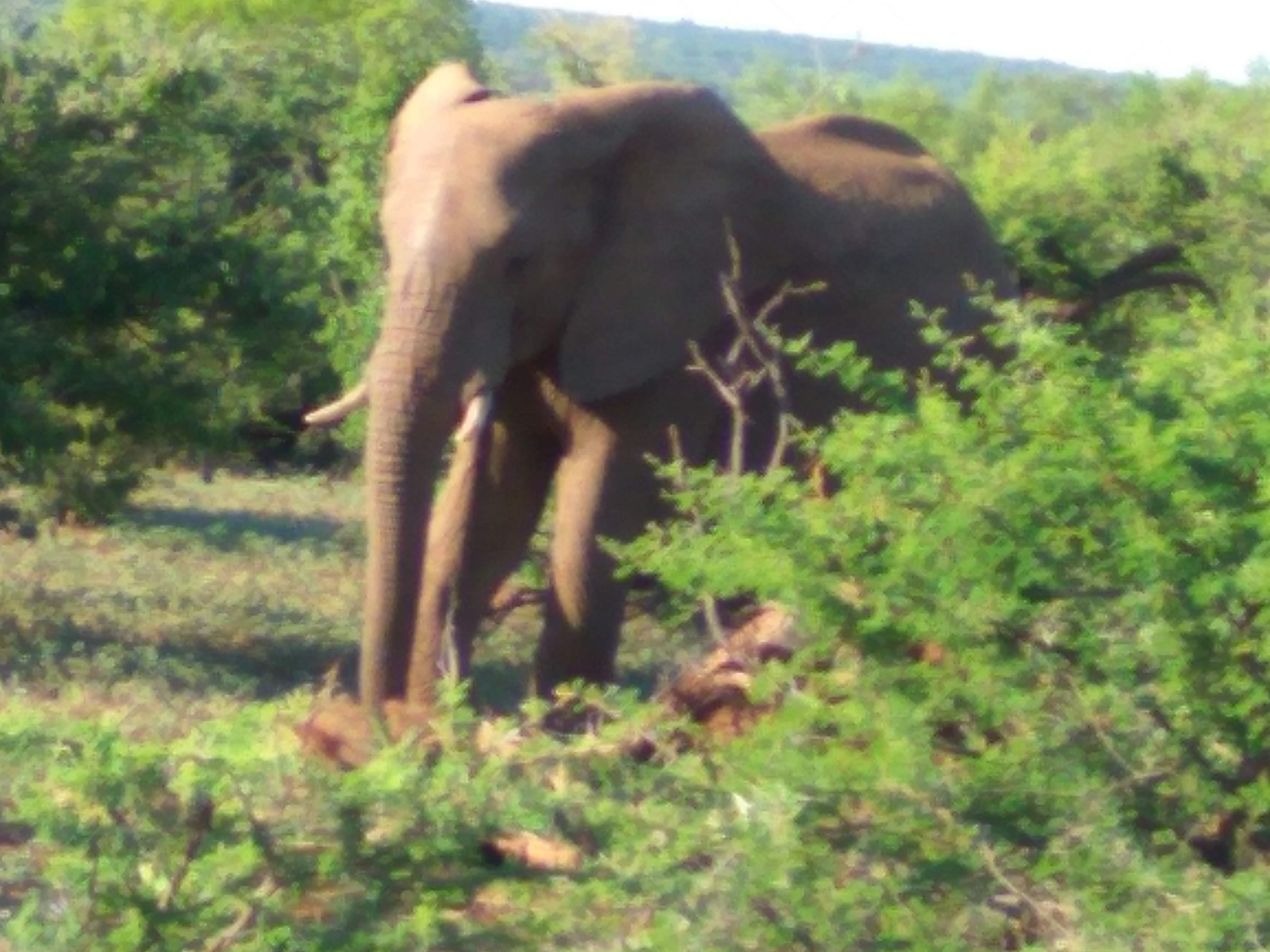
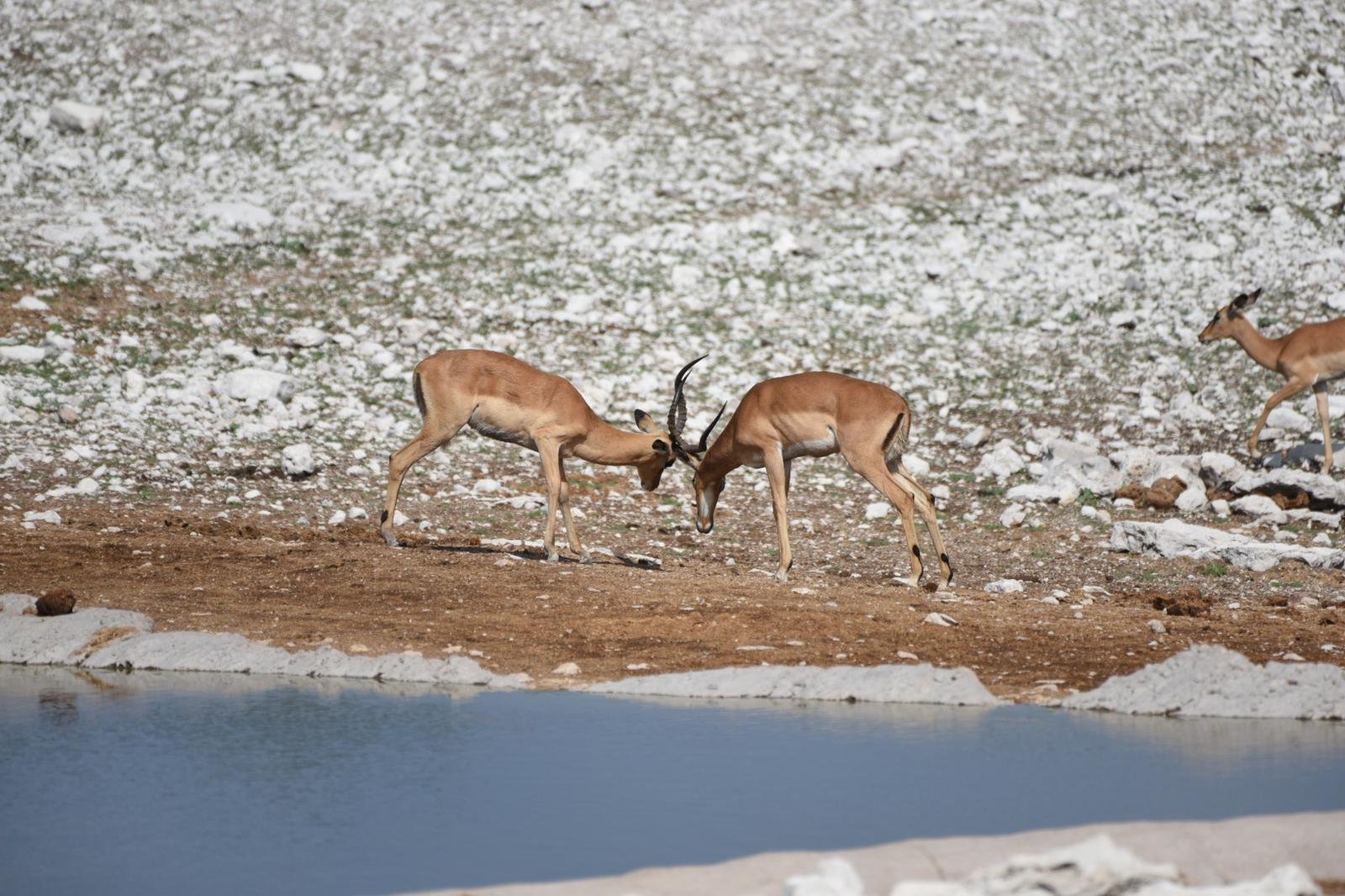
I have uploaded a few photos from our vacation in December. The one of the hippo is pretty large. I have a lot of hippo photos. And I managed to get a few elephants, too.

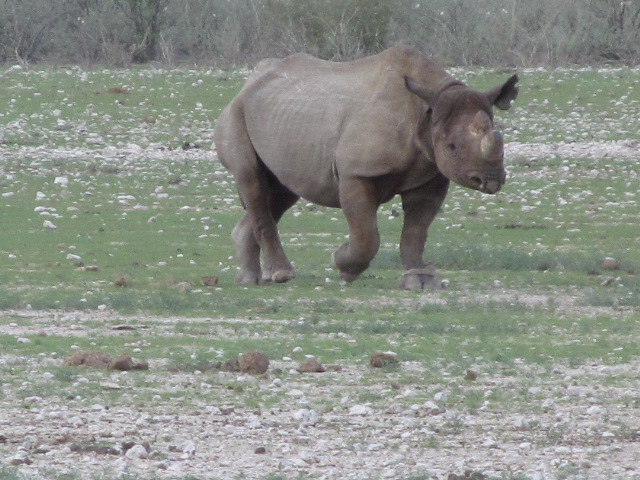
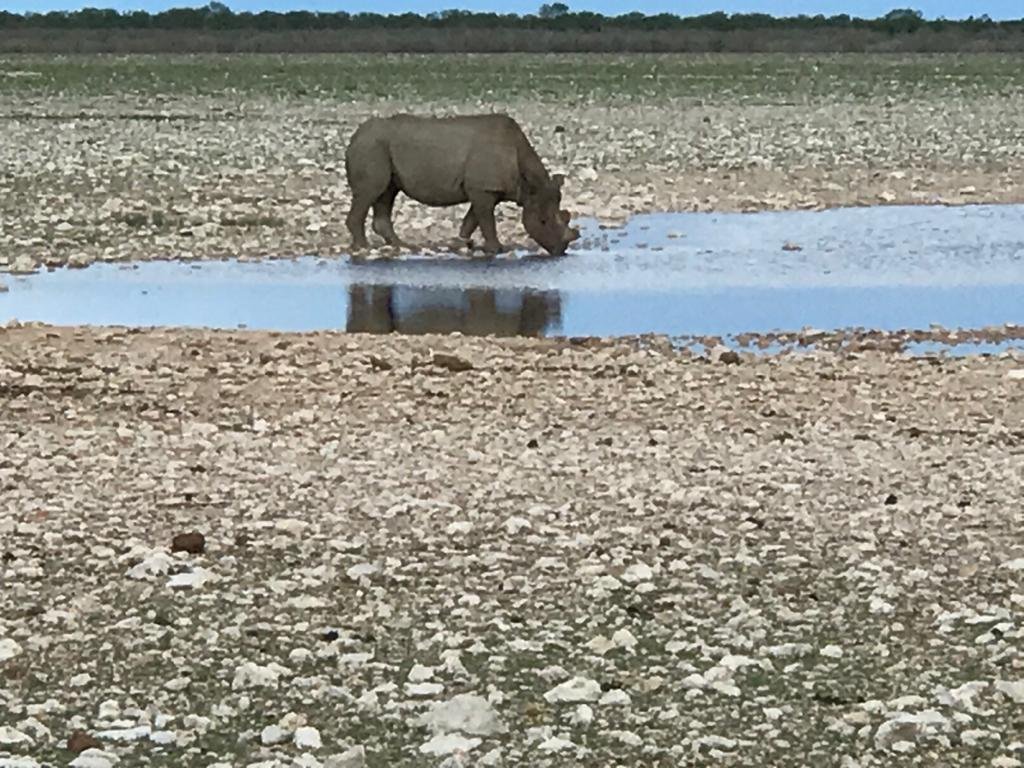
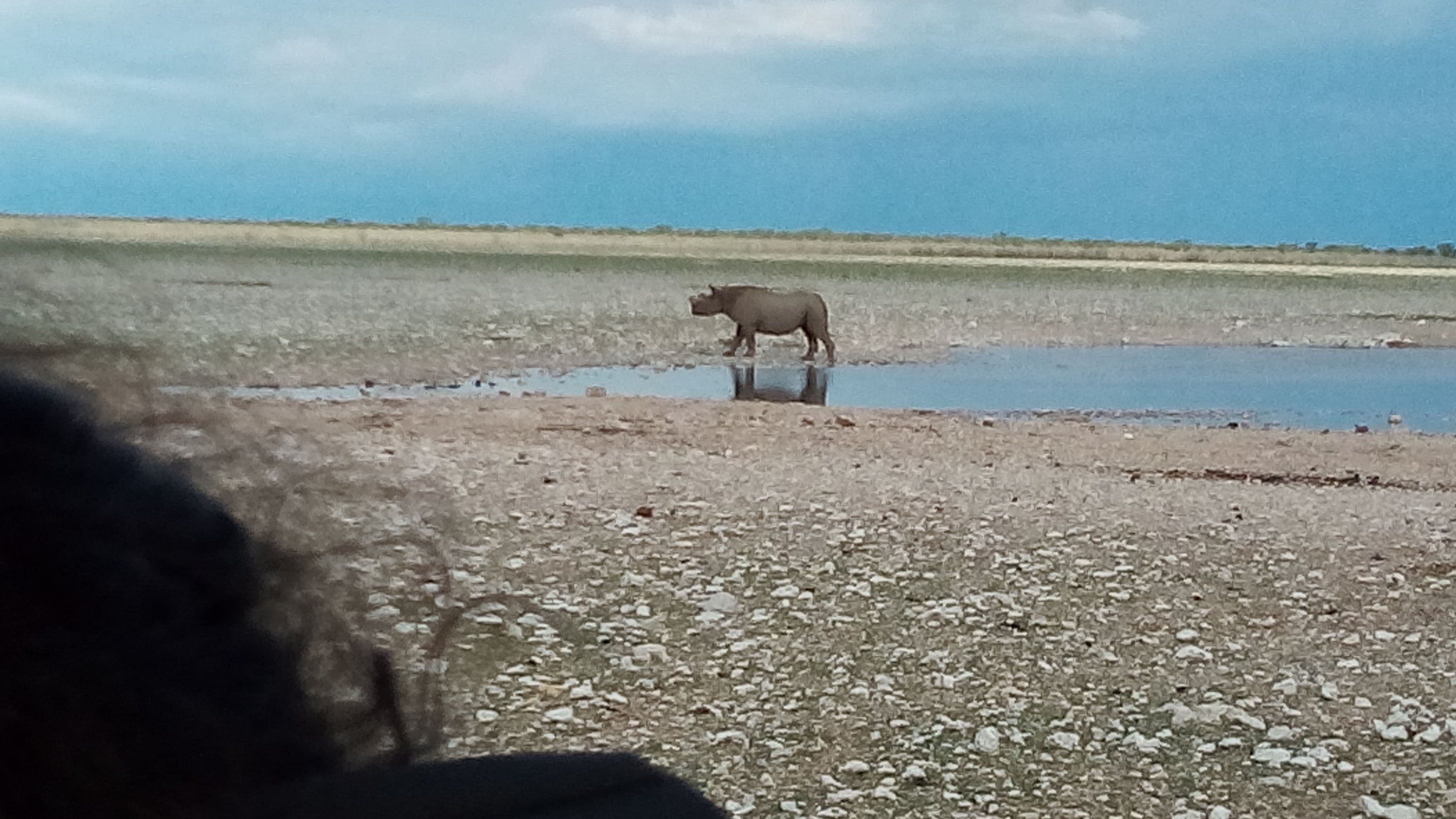
Rhino in Namibia
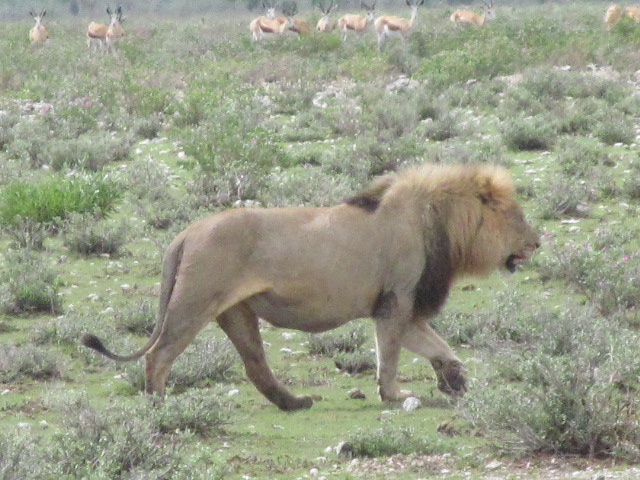
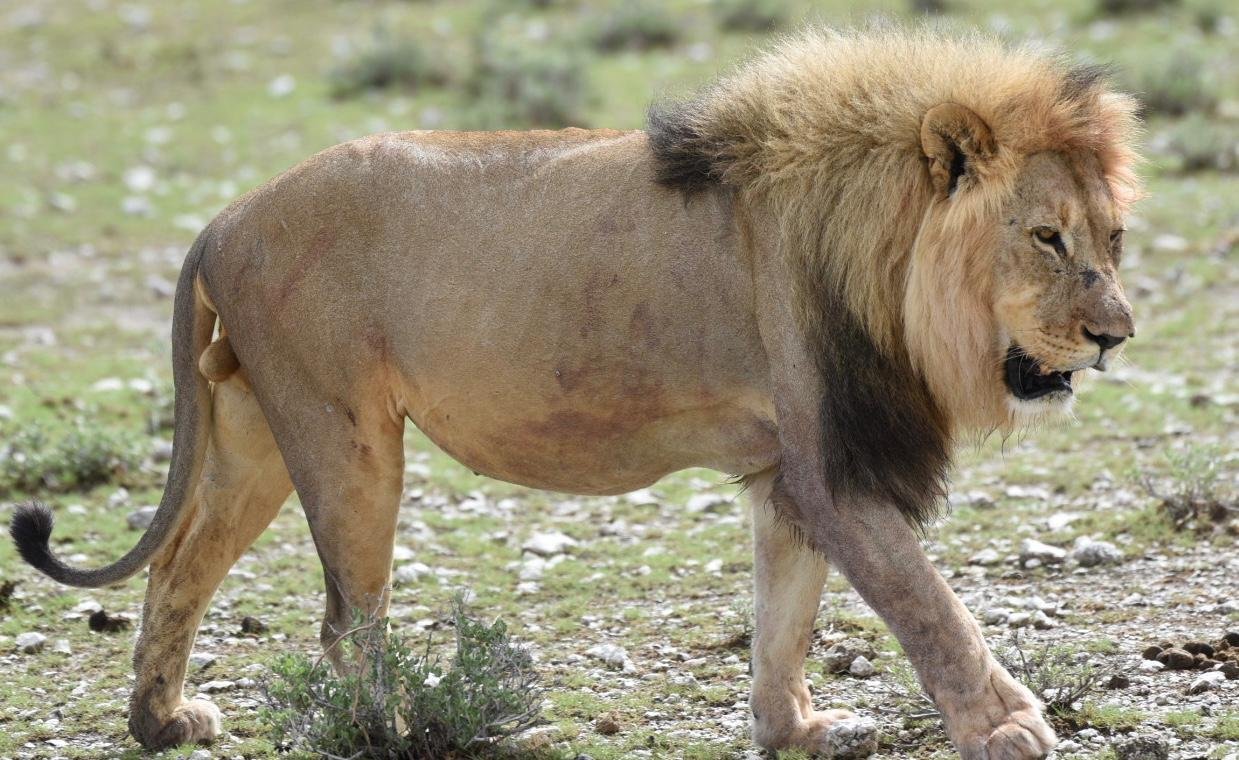
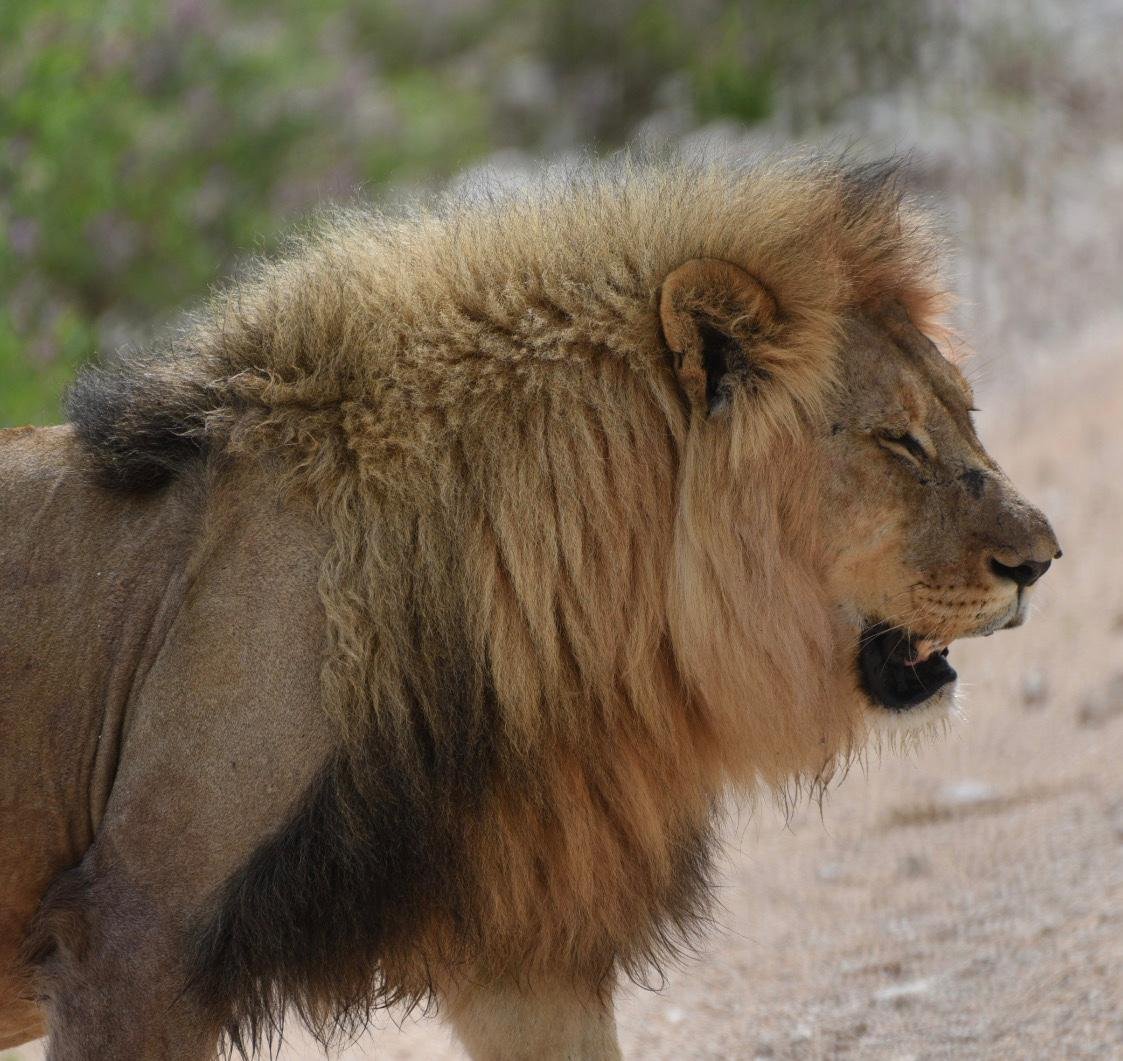
Lion in Nambibia ignoring us.
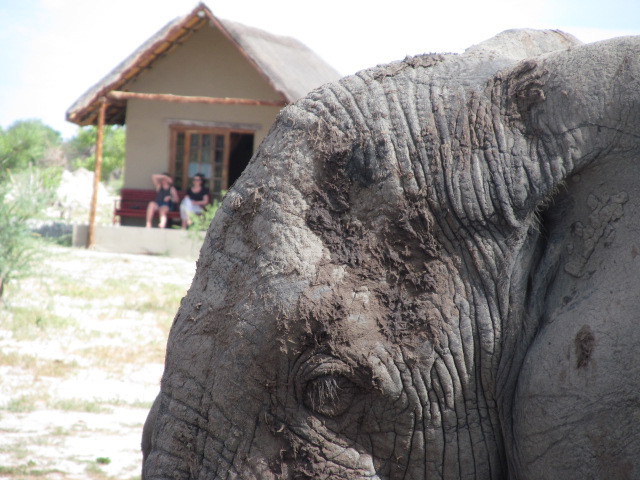
Elephant in Botswana gets in the way of a good photo.

Joined the 98%

On Friday 17th, I had my followup meeting with the doctor and he said he was happy with my progress. Before the operation he said my chances of recovery were 90% and a week after the operation, my chances have improved to 98%. I think he was quoting real statistics, not expecting me to do 110% and score the winning goal in the 5th inning. So this is pretty good. I haven’t scored A+ since my last blood test. The doctor also said that now that I have experienced torn retinas in each eye, my chance of future torn retinas is lower than the average person without previous events. My brother just had a torn retina, too, so this is good news for the two of us.

I now need to wait for my gas bubble to deplete to nothing before I can fly back to Malawi. It looks like Monday, maybe Tuesday. It would take 14 days to walk, 23 hours to drive the 1700 km, according to Google Maps. You go straight north into Zimbabwe, then angle NE through Mozambique to Blantyre. I do not want to chance another visa in Zimbabwe, so I will fly when I am allowed. I return at the end of February for a followup exam.

Nora has been back in Malawi for a week now (yes, seems longer), teaching MacBeth. And the periodic tables I ordered from eBay and Amazon have all arrived, so I hope to join Nora and get some teaching done. I have been studying the Form 3 chemistry text that the prison gave me (I wonder what they are doing on this subject without their one and only text). It is challenging, with information that I have not looked at in 40 years and some I probably never looked at. I am glad to have Wikipedia as a resource, which the prisoner-students do not have. Some of the textbook information is simply wrong! That is partly why I chose to get some periodic tables. They will be decorative as well as accurately informative. The students do not have their own text books, so I imagine that teaching will entail the teacher writing the text material on the chalk boards, to be copied into the students’ notebooks without passing through the minds of anyone. I wonder how much incorrect information has been copied, studied, and remembered. And I wonder how much incorrect information will be expected to be regurgitated on the final exams.

The chemistry text describes numerous experiments that are to be performed in a form 3 classroom, but we are not going to do them – no running water and no fuel for bunsen burners. Where would I get a jug of sulphuric acid? I believe the idea is to describe the experiment and the likely results that the students might observe. I did not enjoy lab work in school, since nothing ever worked out as planned. I hope we can all appreciate that me describing what was supposed to happen is a bonus. And no one will get hurt.

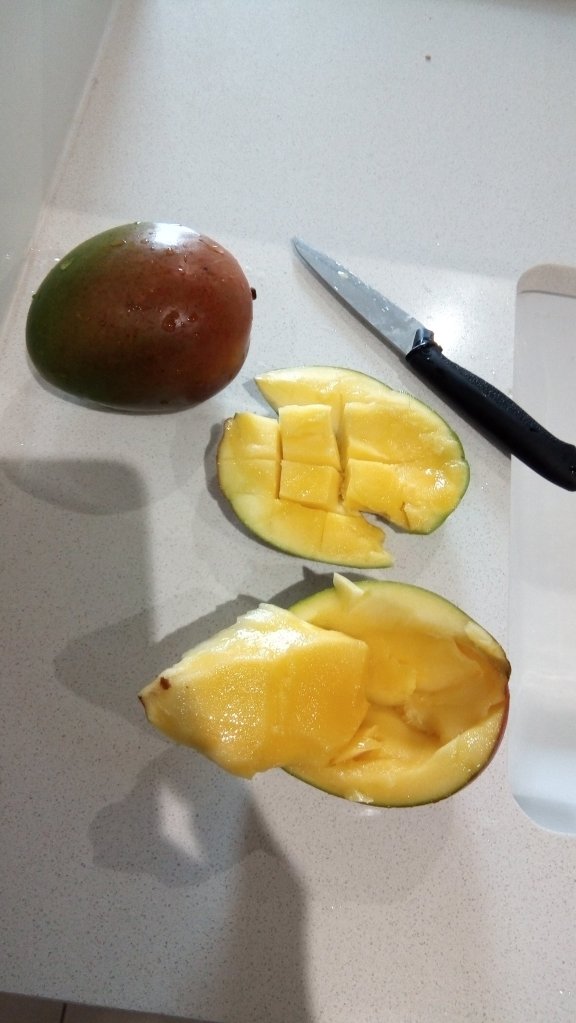
Back in Johannesburg, I am learning to fillet mangoes. I bought a bunch of these, the photo shows the last two. The are just about perfect in ripeness now. I might refrain from buying any more groceries, since I really hope to be leaving in a couple of days. The mangoes were quite green when I first bought them, but after a day they were ripening. Probably better than Loblaws, but maybe not. I need to try my technique when we get home. That will be all too soon, I think.

Mango half prepared for a snack.

More next week with some real Malawi news, I hope.

Lounging in Johannesburg

Nora has returned to Malawi and this morning has started “our” teaching assignment. And I am meanwhile settling in to life in a luxury hotel in Johannesburg. After the quick but necessary retina operation on Jan 2, I am forced to refrain from flying for a few weeks. My next doctor appointment is Jan 17th and he might allow me to fly, so I would catch the next plane out of here. I think he might tell me to stay yet another week while my gas bubble shrinks further. That is if the retina has stayed in place and he does not want to try again. These operations are unsuccessful 10% of the time.

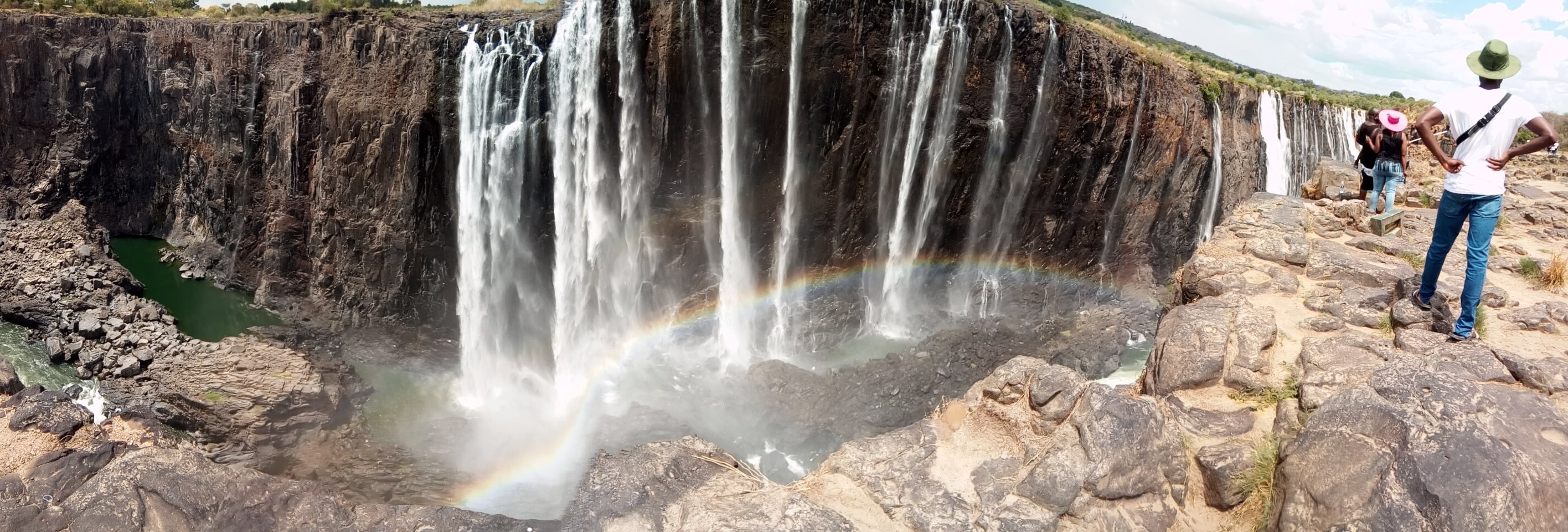
Victoria falls, Zimbabwe

Remember, we left Zimbabwe a couple of weeks ago, after spending a great few days (5). We were glad finally to see monkeys, buffalo, elephants and hippos in Victoria Falls. Then we saw tons (sorry!) of elephants in Botswana the next week.

We also saw great views of the falls in Zimbabwe. Niagara might be best known to honeymooners as their second greatest letdown, but Victoria falls is magnificent. Dryer now than in the wet season, it still has a lot of water. There can be so much water that the mist obscures the view, so in a sense it was better for us in the off-season.

I was looking into hydroelectric power and it seems that Malawi gets a lot of its electricity from hydro, although not enough for it’s needs. I digress.

Also about Malawi, they have received a few black rhinos from South Africa in a bid to foil poachers.

The photo is from Namibia.

https://www.bbc.co.uk/news/uk-50913693

Maybe we will see these rhinoceroses in 2020 some time when we do a game visit.

We were almost teaching in a Zimbabwe prison. Immigration failed to collect the $150 for our visas and we were visited by an off duty immigration officer, wanting payment. I gave him the $100 he asked for. It all seems quite nefarious. We were glad to get out of Zimbabwe safely and unchallenged.

And then there was Botswana

We did see many elephants. The Botswana government takes a hard line on poachers, and the elephants have figured this out. They do not seem to have visa problems. Other African countries have not adopted the shoot-poachers-on-sight policy of Botswana and these other countries achieve varying degrees of success. None as successful as Botswana.

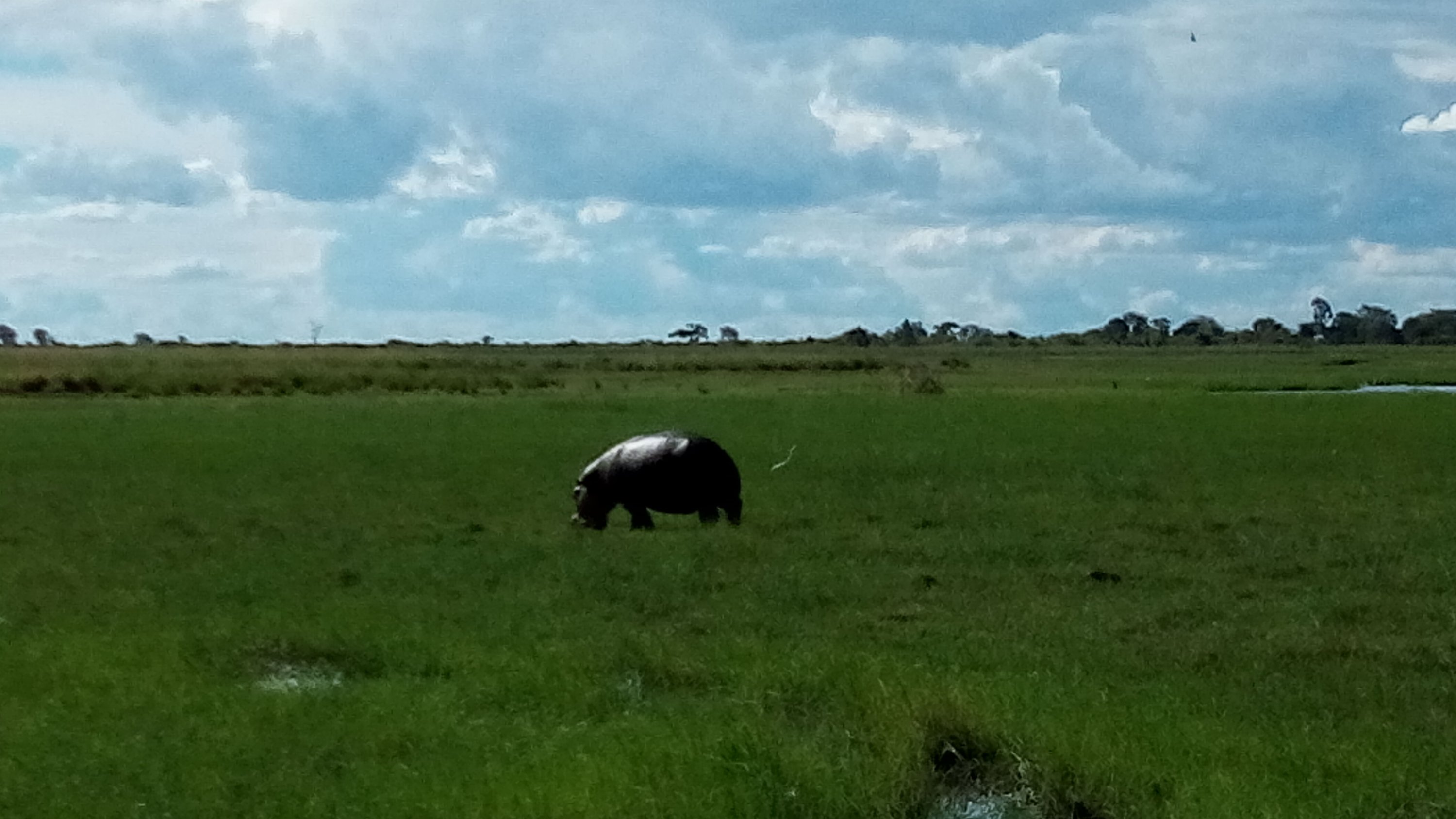
Hippopotamus in Botswana.
We saw some Hippos, too. I have some aerial shots as well as better definition shots, but need to return to Malawi to upload them.
We will all be waiting to hear how Nora makes out teaching an how the doctor reports on my eye. I hope to report in and start working very soon.

Ain’t we got fun?

I was planning an interesting blog about rhinos and poaching. But that will have to wait. Meanwhile, in the morning and in the evening, and all parts in between, I’ll be lying on my side at the park inn in Sandton, Johannesburg.

Earlier in the week, I had my right retina detach and Nora and I left our tour group in Botswana to fly here for treatment. Surgery was yesterday, the day after we arrived. Amazingly, I was whisked from ophthalmologist through to surgery in 10 hours. Now the recovery starts. We could be here for another 3 weeks, and that’s if it’s a success. The doctor assured me I can’t fly now and not to expect good follow-up in Malawi. He said the same about Canada, but this was a little South Africa humour.

I hope to get to work soon, after all that’s why we’re here. The church is spending a lot on this much delayed abortive project! Delayed and thus shortened since we foolishly made returning travel plans.

Pray for us, if you are so inclined, as we await a return to Malawi.

Namibia

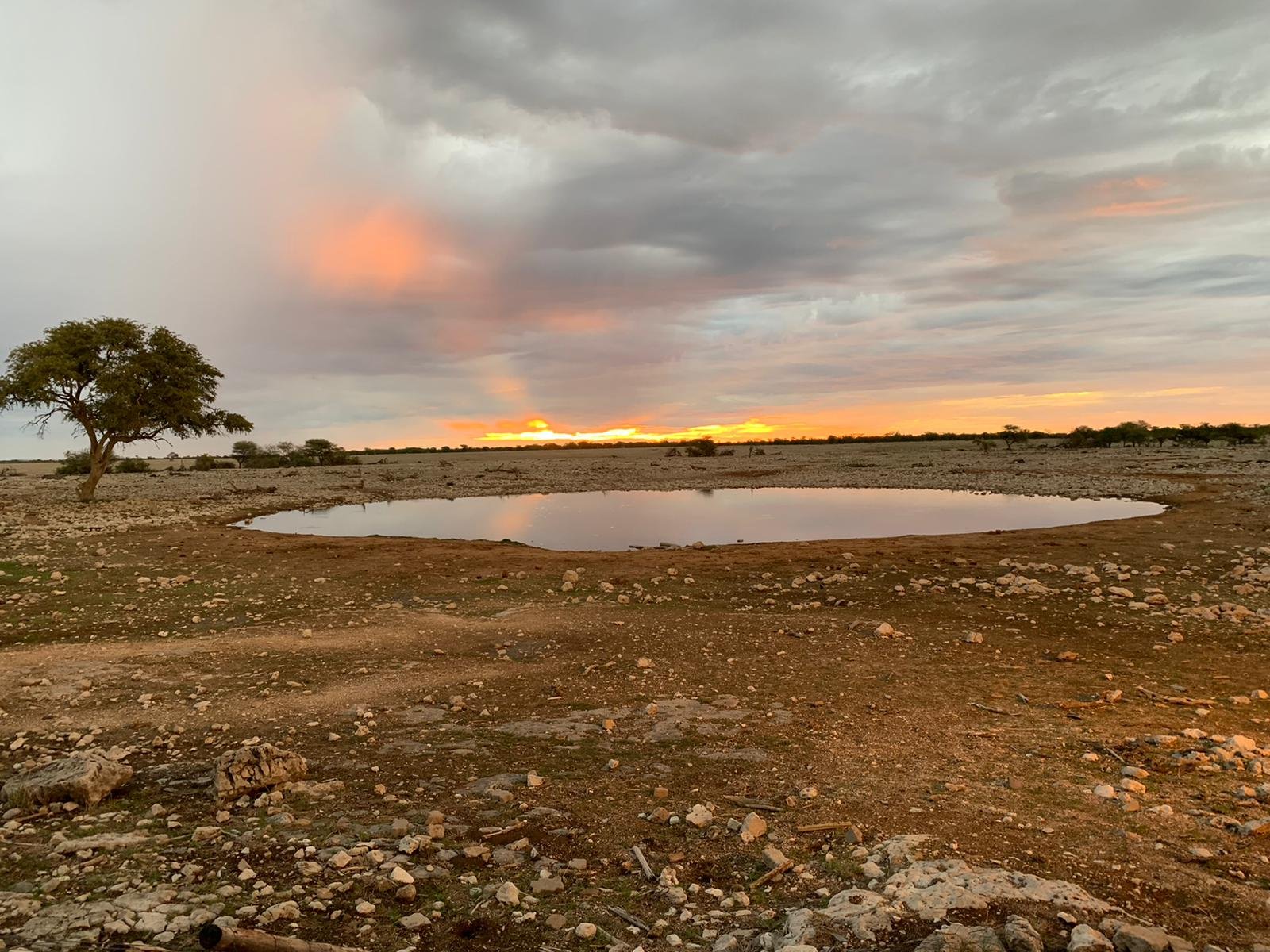
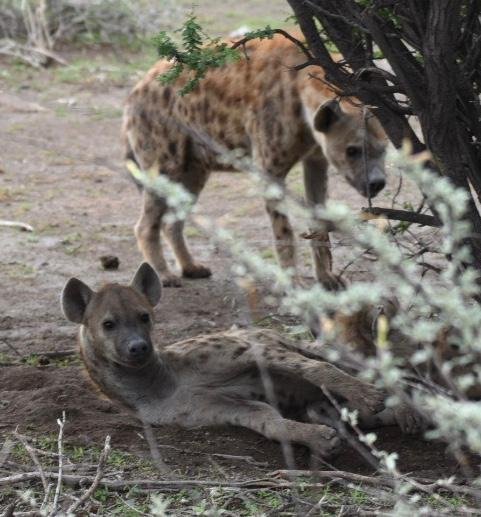
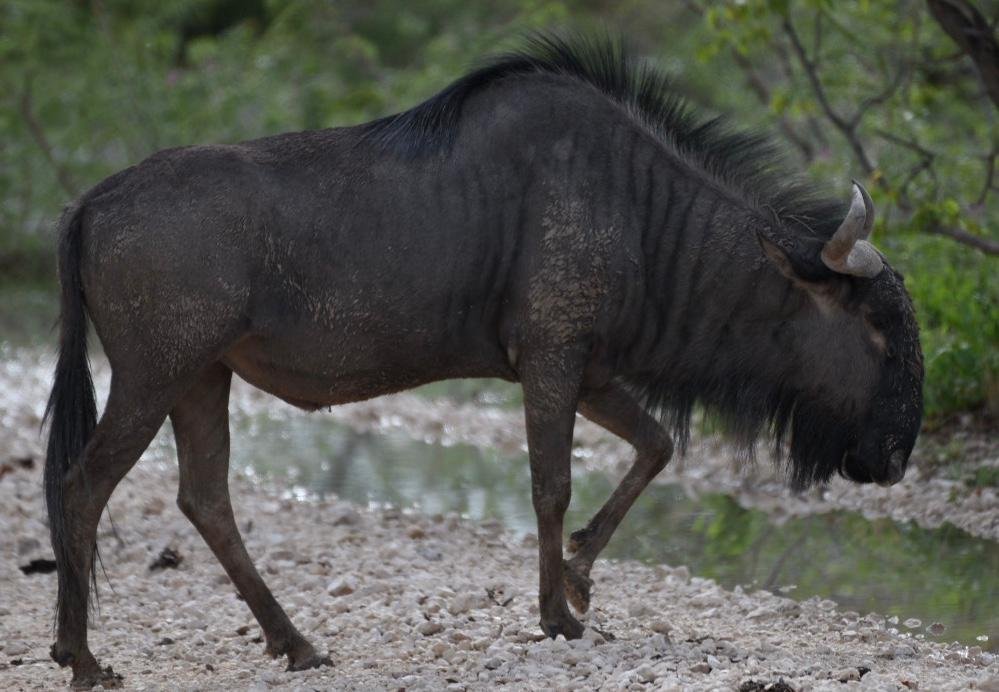
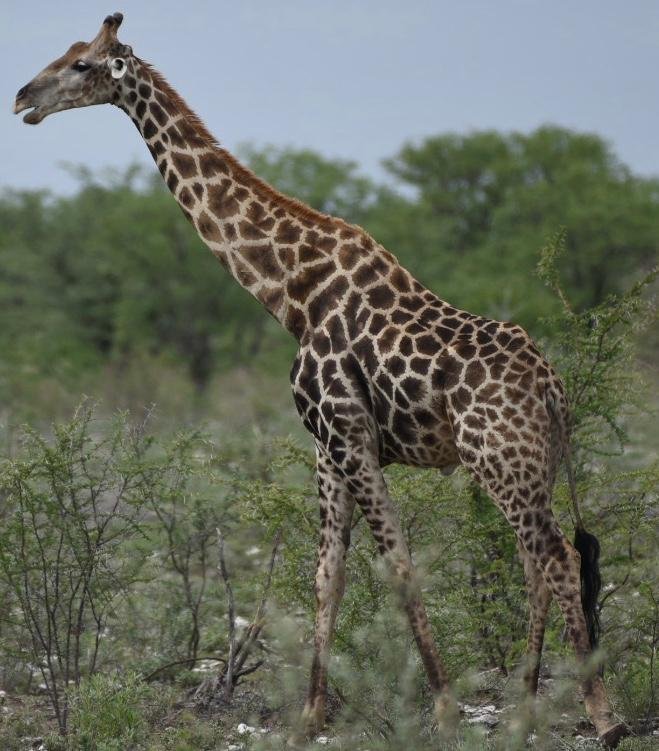
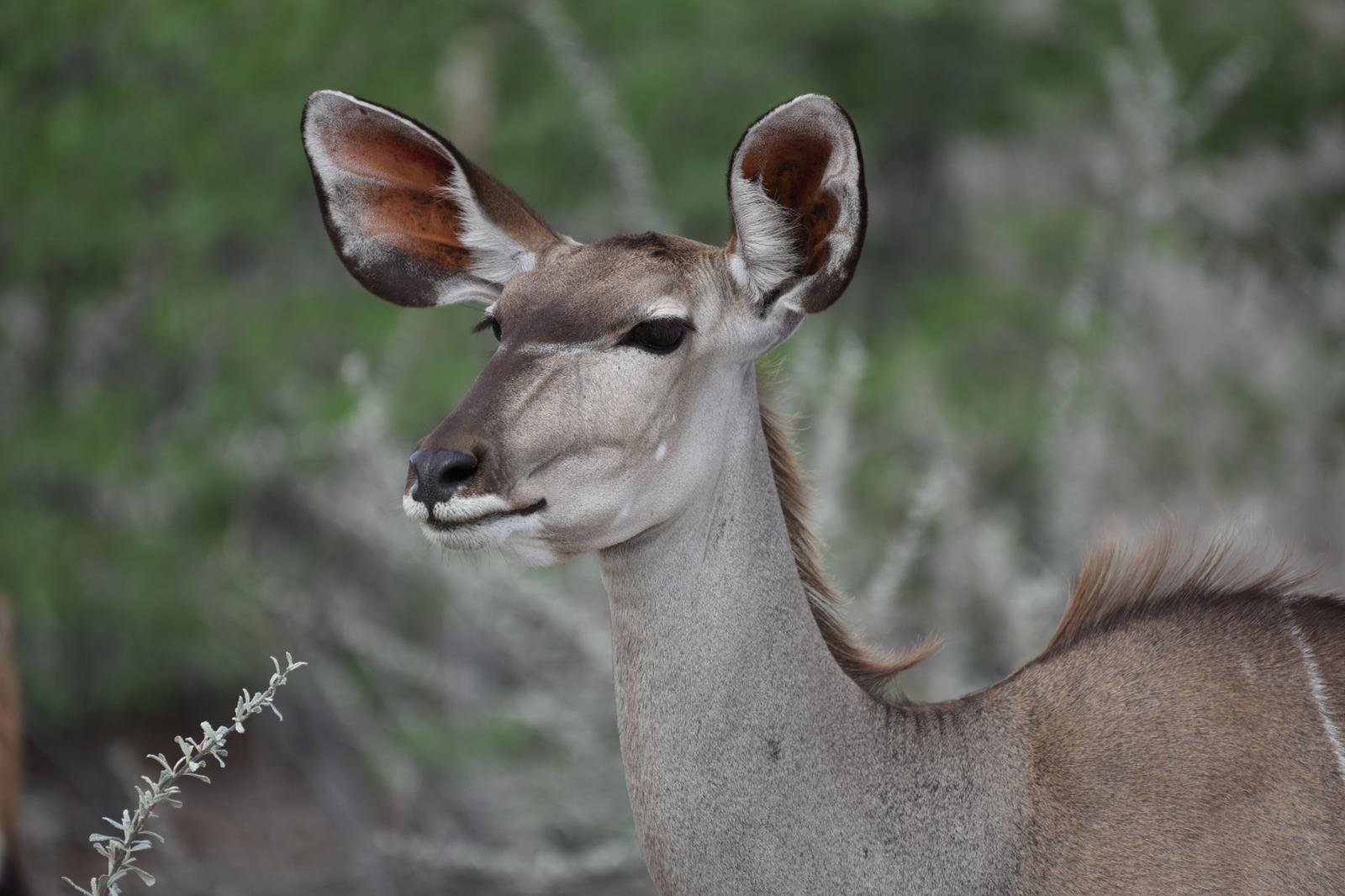
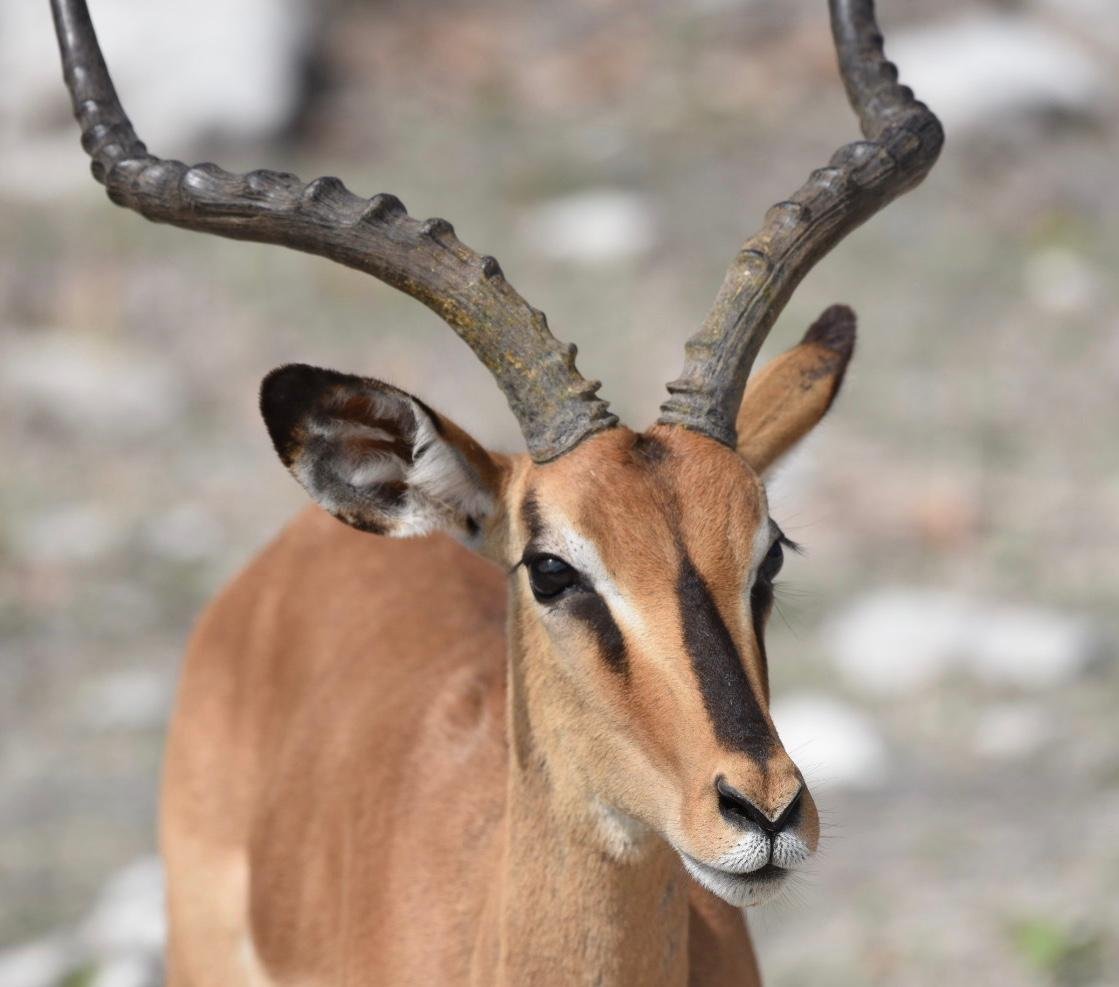
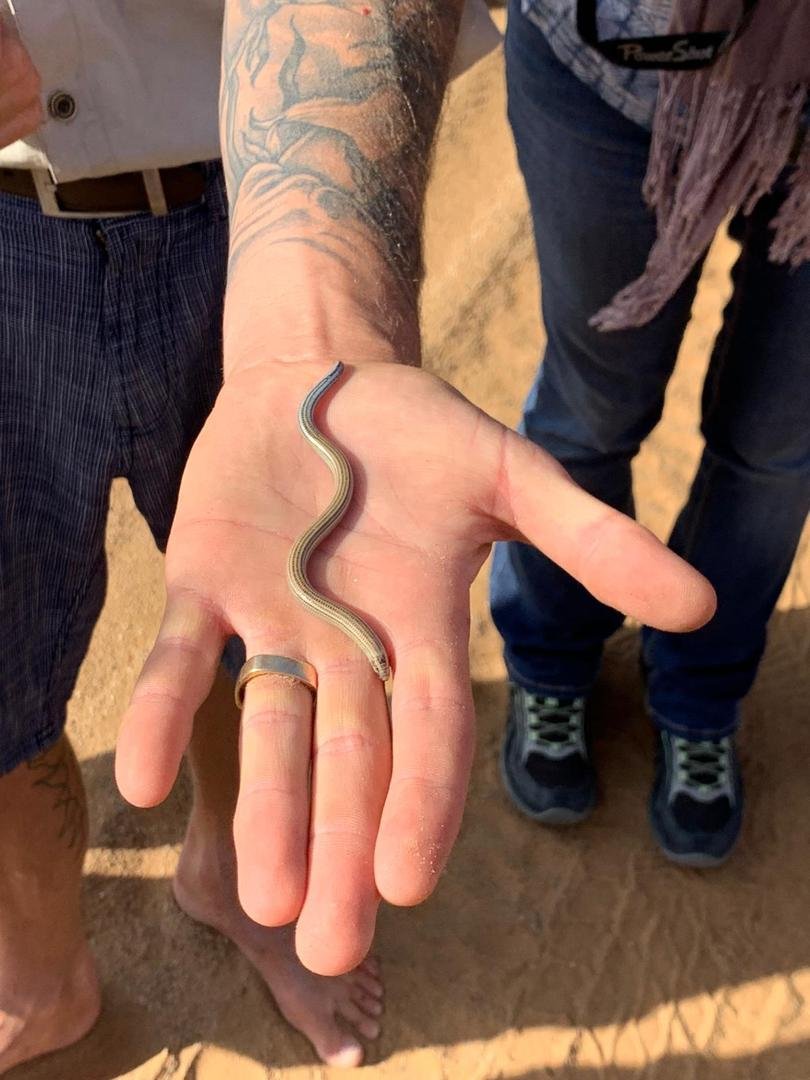
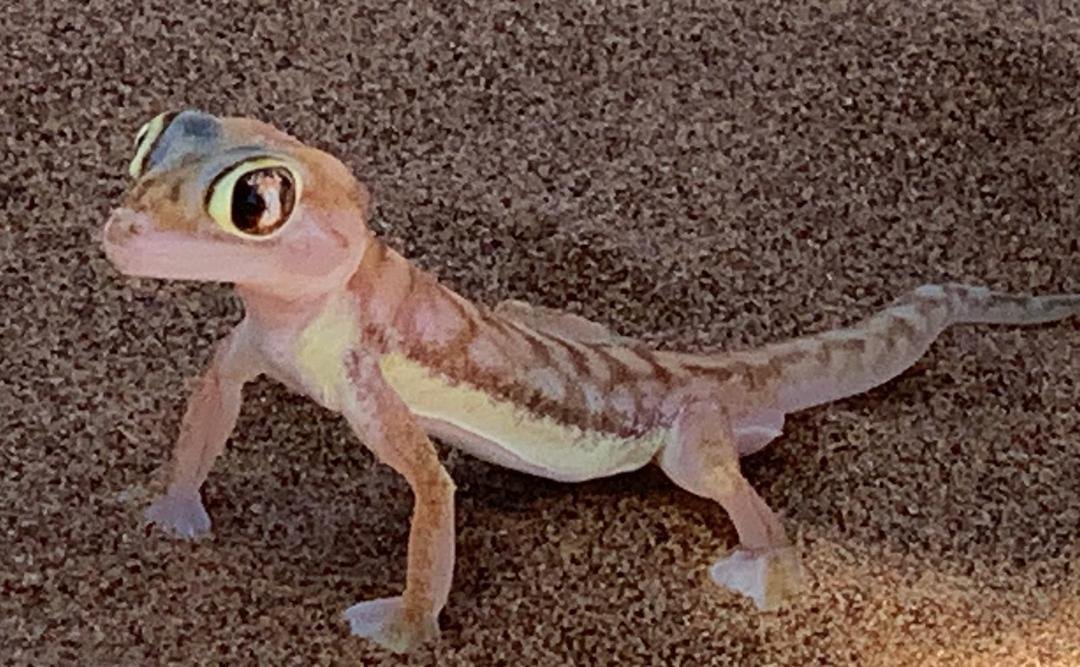
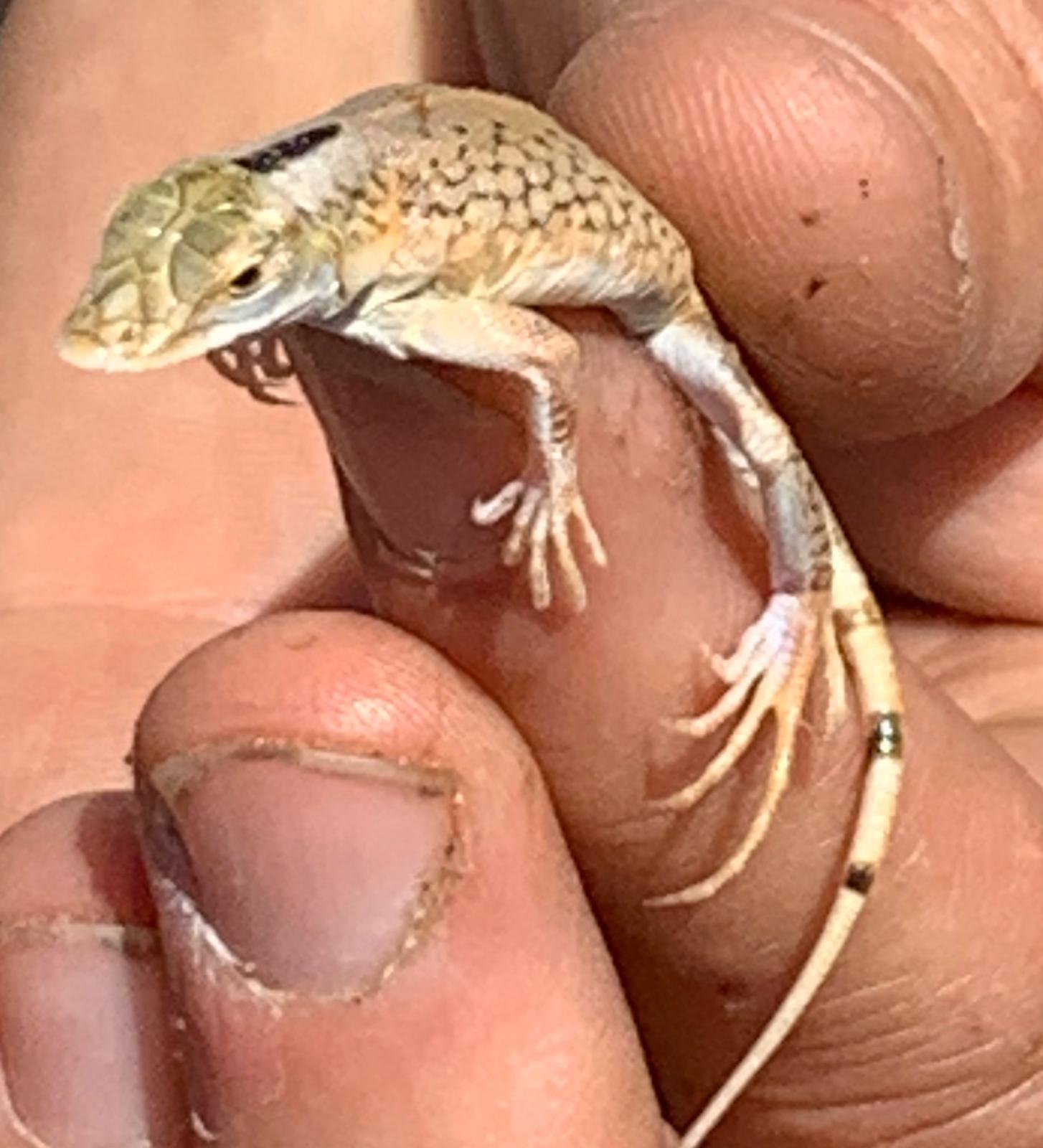
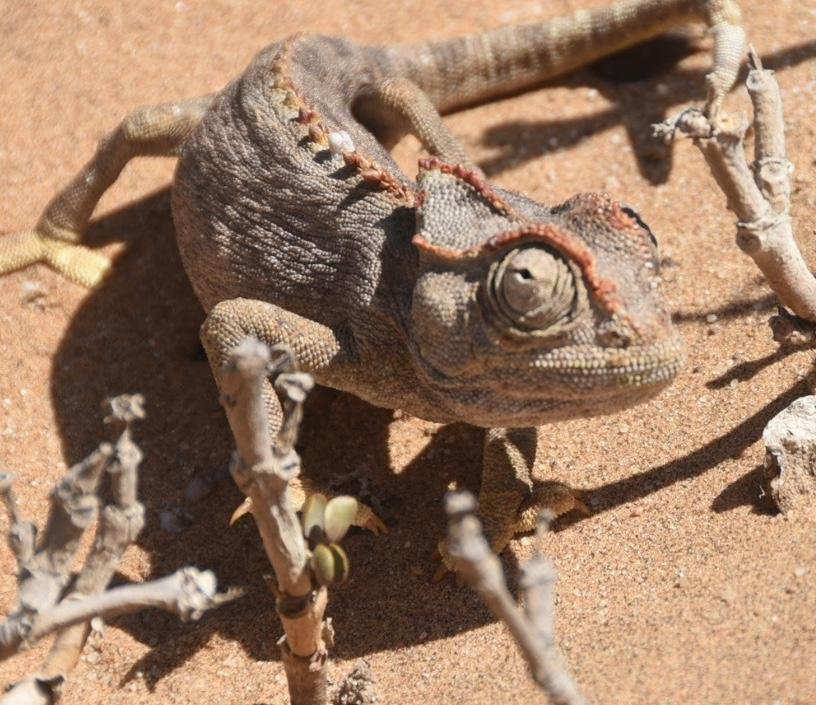
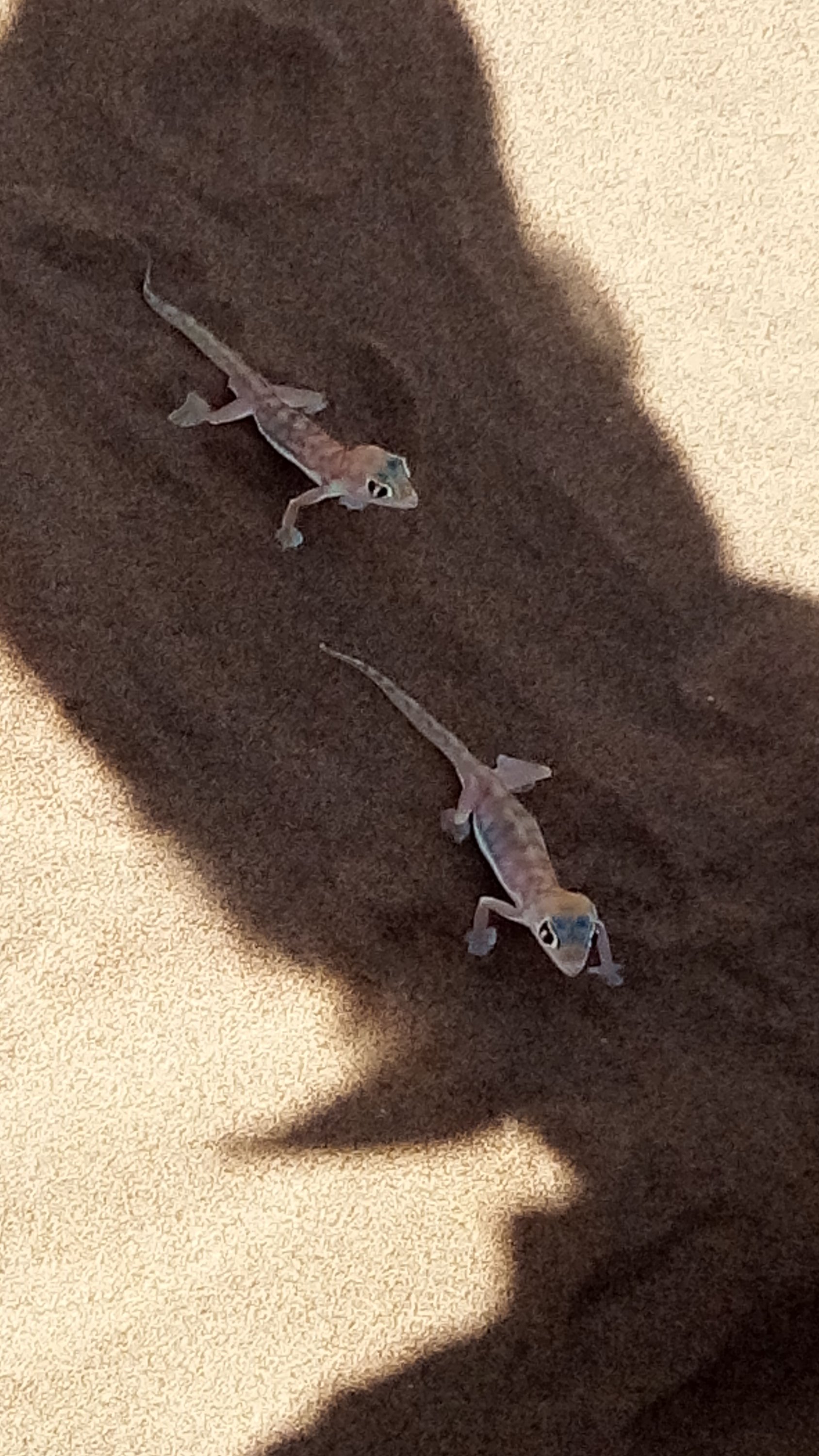
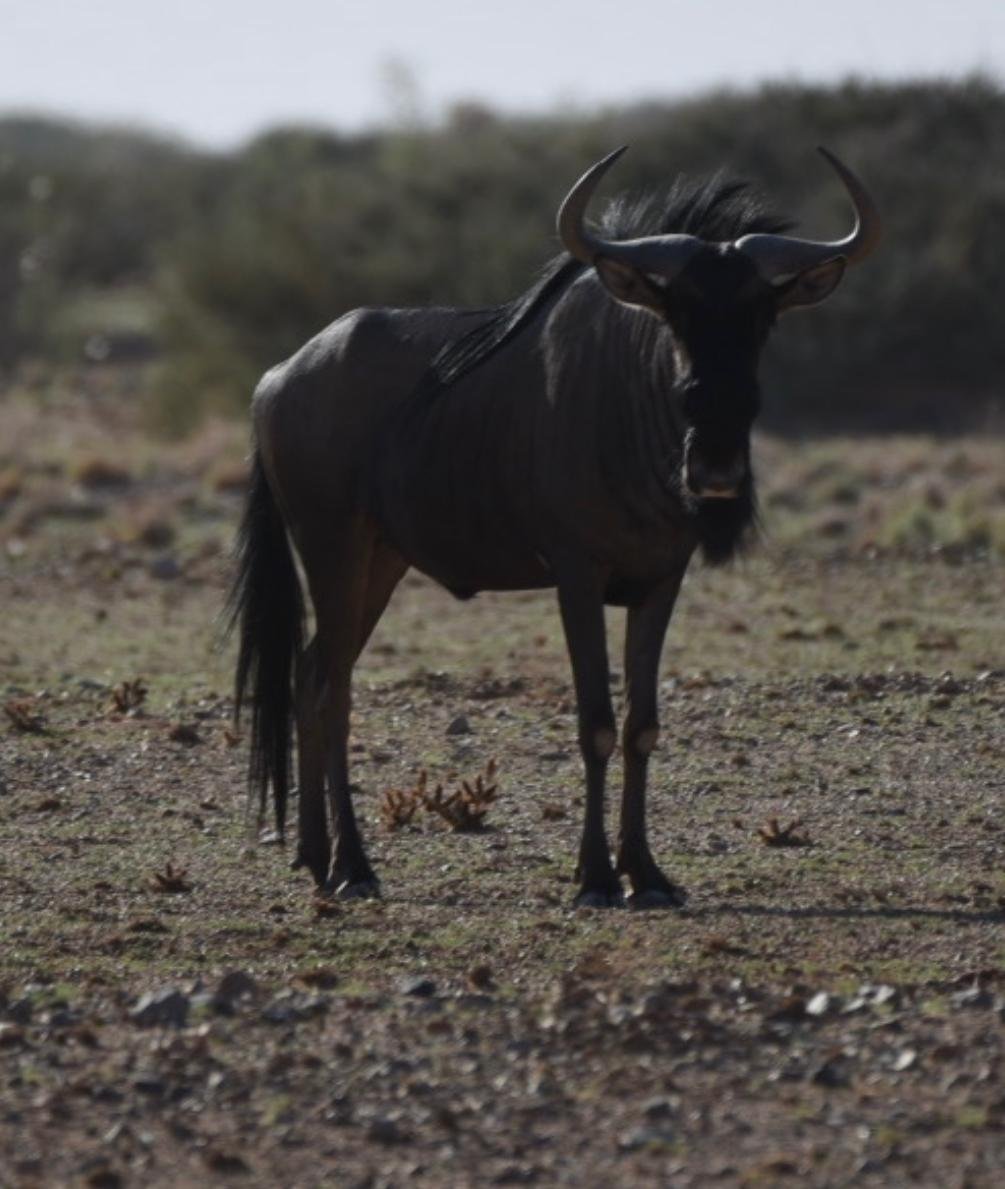
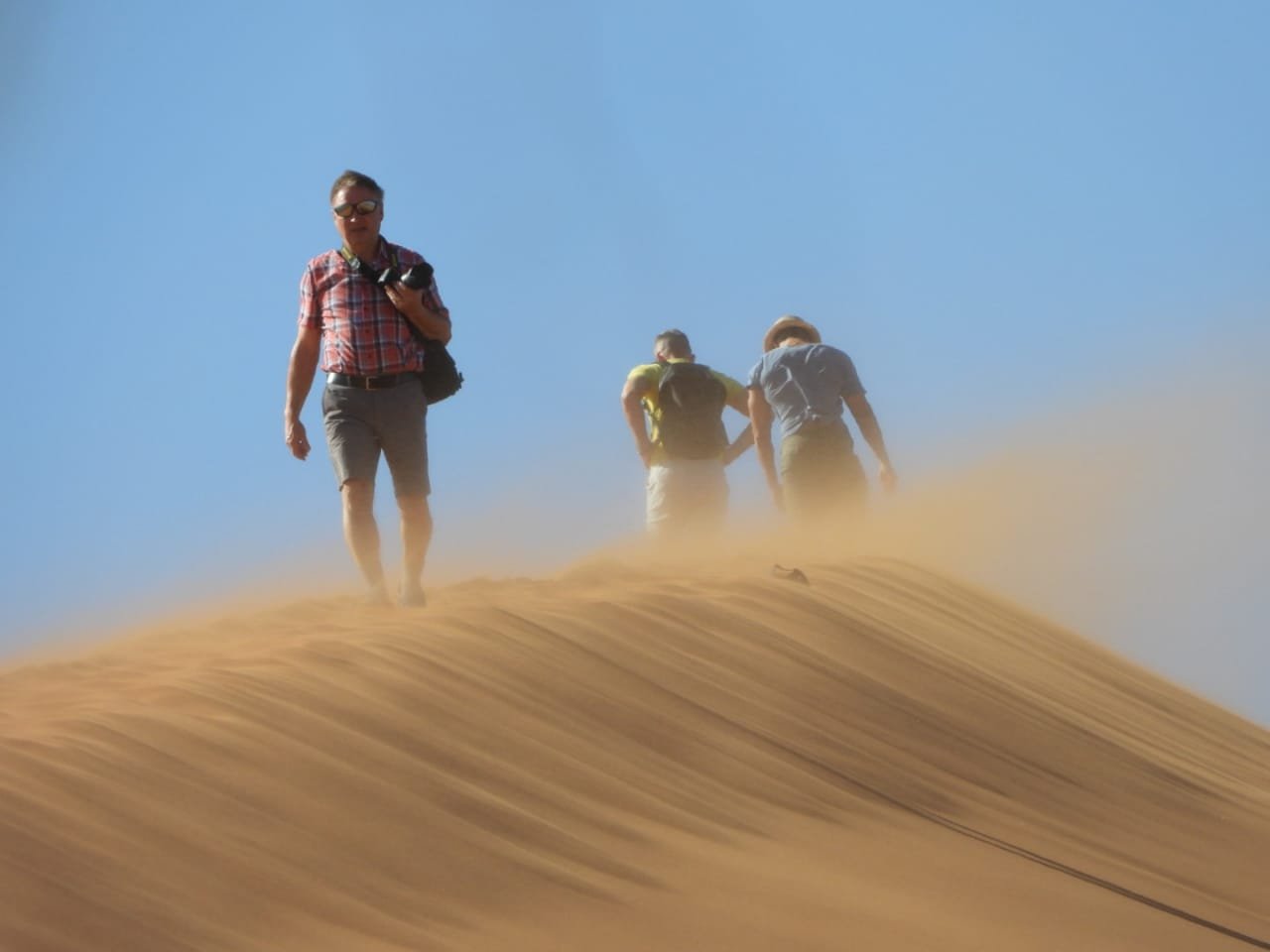
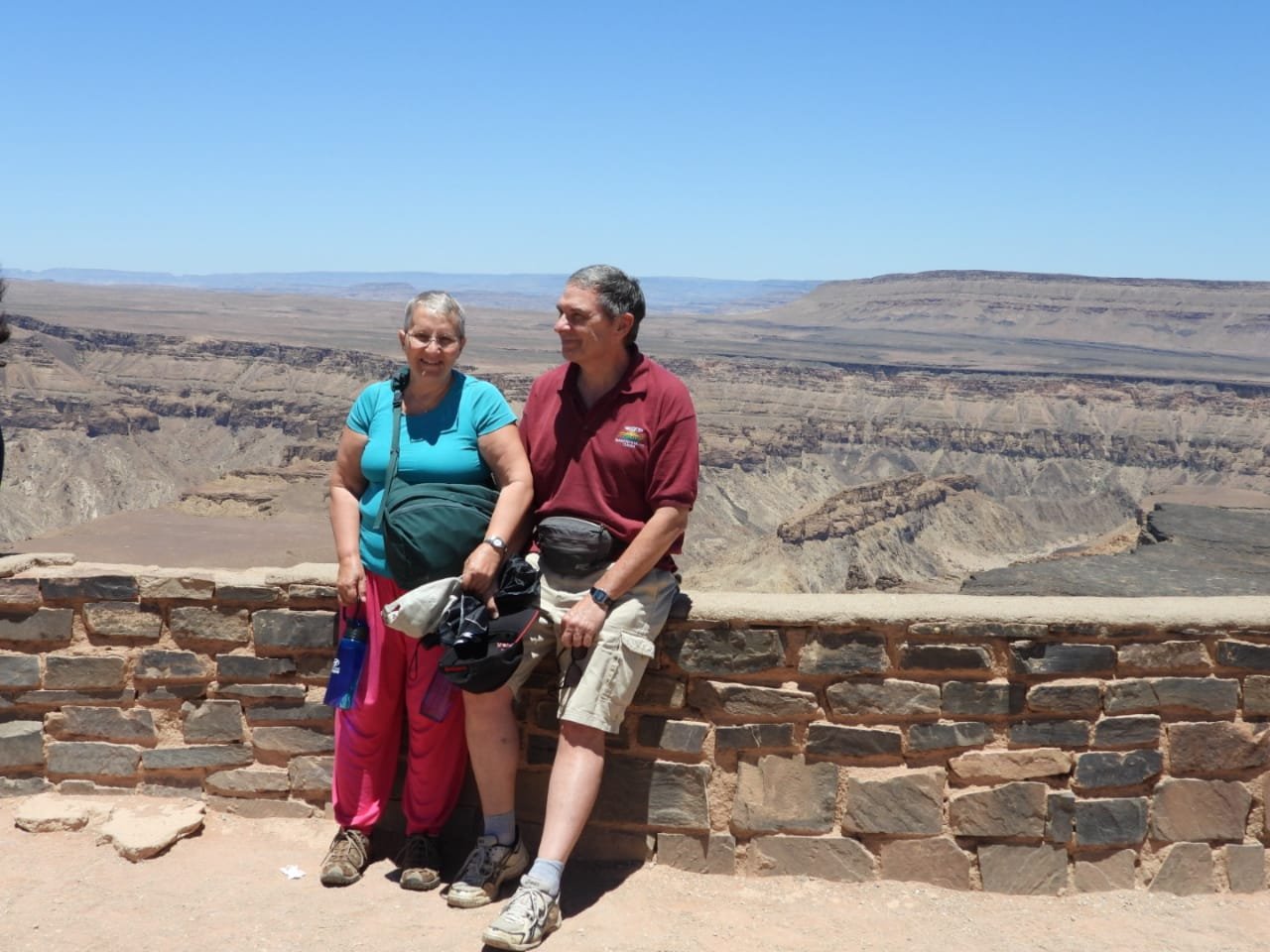
Nora and I have been traveling in Namibia for the last couple of weeks. No great I sight to share, but who knew Namibia was so delightful? We also met a bus load of people taking the same g adventures tour from Australia, Germany, Austria, England, and Canada. All great people I wish we knew better.In a couple of days, on Christmas eve, we will be going to Victoria falls in Zimbabwe to celebrate Christmas day. More on that later.The photos are mostly taken in Namibia by our travel companions. Our photos are on a memory stick that I can’t get uploaded until we go back to Malawi where our laptop is.

Week 2 in Malawi

Beginning with our fortunate end, we met some good news Friday morning, namely that the Immigration Office accepted our application for a work visa (Temporary Employment Permit). This is an achievement unequalled for such a short period of time. We only visited the office twice on two mornings, Thursday and Friday to prepare our paperwork for submission. In fact, even though it’s not the actual permit, we now expect we will be able to enter the country after our southern holiday and be able to take up our work the next morning. At some point, we’ll need to go back to the airport (Why the airport?) to get our passports stamped with the work permit. Another day / week / month into the New Year I guess, until this happens.

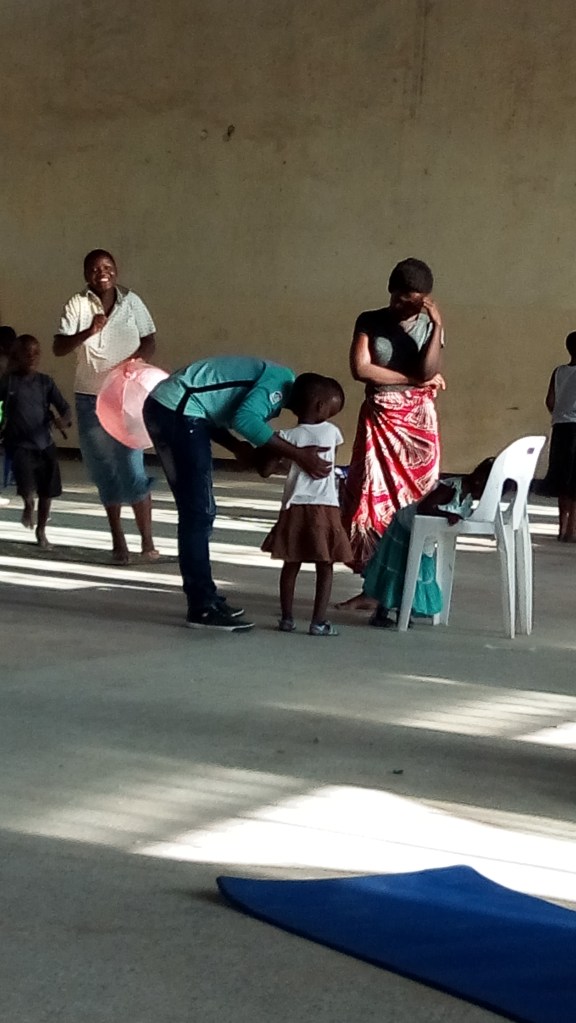
The other “work” we observed this week was the Ndirande social club. We didn’t work, of course, since we didn’t yet have a receipt saying we submitted our TEP package. The club meets on Tuesdays to do a variety of things with handicapped children and adults. There might have been 100-150 people in all. This week, a bunch of mothers brought their kids to consult with a team of physiotherapists. Some of the kids have trouble walking or even sitting up. I have included a photo of a couple of kids practicing walking, one girl walking with the help of the senior physiotherapist and another child with her mother using a chair as a walker. Some of the kids need speech therapy, but this is for another time. I thought some of the kids were grunting at me because I didn’t know their language, but in fact they couldn’t speak with their friends, either.

Children in Ndirande Club

There was also a math class in one corner of the hall and a Bible study in another corner. Outside, where it was cooler in the shade (30°C only), groups were planning a couple of dramas for an entertainment next week.

PWS&D and International Ministries supported this club over several years, including some help to rebuild homes after some devastating floods a half-dozen years ago. It’s good to see that the club continues to meet regularly. https://presbyterian.ca/pwsd/2015/02/06/update-malawi-flood-response/

They currently meet in a borrowed church hall. They have some income-generating ideas that will require a dedicated building to store equipment. They plan to build their own structure in the next couple of years for storage, as well as to hold their regular meetings and possibly rent out the facility for community events like weddings. That kind of step might lead to self-sufficiency over time. I might spend some of my non-teaching time with the club, especially when they start their building project. My support might only be taking a few photos, but we’ll see. I’m not a mason, so I won’t be doing any of the construction. Wall builders here in Malawi have erected some dangerous structures without sufficient footings, or poor mortar or sub-standard bricks, so the club leadership will need to make sure any structures are sound.

An additional insight into the culture here: The Ndirande club owns land that they want to build on, but while the land is idle, some squatters have been growing maize. When the club starts their building, the farmers will expect compensation. It reminds me of a local Woodstonian who extended his back yard garden into a plot of land we were using for the Canadian Foodgrains Bank. He was a little (only a little) upset when we ploughed through his strawberries to plant corn. I don’t know what he thought when the acreage was developed into housing. No, he didn’t get any compensation. Yes, the Malawi squatters will get compensation.

We’ve had a lot of chance to get our bearings in Blantyre. The traffic doesn’t seem as bad as I remember from 3 years ago. They still drive on the left hand side, though. I am getting a good sense of how to get places, but I’ll be relying on Google Maps and Wayz.

Next week, we head off on holidays (South Africa, Namibia, Botswana, and Zimbabwe). We hope to post some photos, but nothing much about Malawi. Our hosts / mentors / good friends asked what kind of travel we’ll be doing once we return and start work, and that stumped us. We might be holidayed out for a couple of months, perhaps until the end of term, April 4th. We’re hoping some friends come and visit around then and we will be motivated to see some vacation spots in the country.

For the next month, we will be looking for news about the legal case regarding the Malawi presidential election from May 21st. The constitutional court should announce its verdict very soon. They ended the witness testimony this week and will deliberate for as long as it takes. Longer than a Boston Legal episode.

Hard Times

We visited prisons for the first time this week. On Thursday morning, we drove to Zomba, 90 minutes from Blantyre, to visit the prison system head office. Our guides were Hastings Phale and Abusa Stanley Chimesya, who work for the Blantyre Synod of CCAP (Church of Central Africa – Presbyterian). I should get a photograph of them, maybe to add later. We met with prison chaplains Brian and Isaiah, and the head of the education department, Mzumara. We even met with the Warden, Clement. He and others told us last names, but assured us we could never figure them out. They were happy to see us and encouraged us to work at Zomba prison, not Chichiri as planned. There is a constant competition for “resources”. The Canadian church has provided some items in the past and will continue to do so.

The Zomba prison is a gruesome place, with about 2500 prisoners but meant for about 1000. We walked through an open area (200 m x 30m?) full of inmates on our way to the school. It would have made a playing field, but it was uneven and littered with a pile of bricks from a building recently torn down. We did see an attempt at improving the living space with a garden. Most of the inmates that we saw were sitting or standing idly. Some were playing board games.

The school there was more organised than I remember in Chichiri in 2016. They had buildings for the classrooms and the library was neat and organised. They even had a few computers available during select hours for teachers and students. Most of the teachers and the head master were inmates at the prison, 48 in all. Six of the teachers and the head master were former teachers. One was a government employee. I didn’t ask how they came to be in prison.

On Friday morning we went to Chichiri prison, 15 minutes from our Blantyre home. We were guided this time by Hastings and Lyca. Lyca is a volunteer with “Friends of the Prisons” and I failed to record her last name, or take her photograph. The Chichiri prison is smaller than Zomba. 1845 inmates in an institution meant for 800. Our main host was Samson Zwanget, the education director. We also met Samson Makoro the chaplain and Alex Makwendara, the officer in charge who is a former teacher. Nora reminded Alex Makwendara of his mother, so we should do fine.

We saw the much-upgraded school, along with the science lab and some of the teaching materials they have. The library has been organised and computers added, so now it’s usable. I don’t think I’ll be doing many of the science experiments, but rather I’ll describe them and lead a discussion, we’ll see. There’s not much running water, so some of these experiments will be a challenge. And the Bunsen burner probably has no fuel. They had a bunch of math sets, though (compass, set squares, protractors), that maybe we can pull out and use if I get to that part of the math curriculum.

Nora and I were assigned Forms (grade levels) to teach in January. Nora is going to teach Forms 1, 2 and 3 – English. Her Form 3 class will be studying MacBeth, which should be easy for her. I will teach Form 1 math and Forms 1 and 3 chemistry. Thankfully, they have a set curriculum and books to follow. Only one book per class, so I’ll need to relay this information without any expectation of students reading up on it overnight, except from their own notebooks.

We’ll teach from January 7, after we return from our holiday to April 3rd, 740 am to noon. We may return in the afternoon to finish off our classes. North America will be asleep at this time.

We naturally have a celebrity status here. This could attract more students to class. Perhaps too many. We’ll likely have a different teaching style that may or may not work in this culture. The material itself doesn’t look too challenging for us, but how we are received by the students will be the chief concern. Nora of course, has taught this all before (and I have often told her she’s the best teacher in Canada), but I’ll need to work on teaching skills. Will my handwriting be legible on a chalkboard?

Overall, an exciting week. More to come.

Thinking Positive

Malawi Proverb: One day of rain far surpasses a whole year of drought.

As I reread some of my previous musings, I realise it’s high time to show Malawi in a more positive light. Here, for example is a story about a young boy in the capital city who invented an agricultural implement to harvest peanuts. His hero is William Kamkwamba of wind turbine fame. The 13-year-old in the story won a science competition for inventing his machine. When I’ve talked with people about conservation agriculture they recommend using ground nuts to inter-crop with a taller crop, maybe pigeon peas –I can’t be sure. If they want me to teach agriculture at the prison, this will be the height of irony.

In another interesting news article from Malawi, a report of an impressive woman named Ngale Massa. She works with girls, encouraging them in their self-esteem and helping them to make better life choices. This is the kind of work a lot of NGOs strive to do. Oh look, here’s a Presbyterian project you can donate to!

Maybe Ngale Massa or someone like her talked with this woman who’s successfully completed studies in the male-dominated geology sciences. “I want to fill the gap that is here in Malawi. There are few female geologists in the country and very few girls are currently studying earth science at Ndata School of Climate and Earth Sciences,” Eneless Rasheedah Nsalima says… Her research project was about hydro geology assessment of borehole water quality in Chifunga area in Neno District to determine salinity levels and establish spatial variation of major ions and general groundwater quality. Whew! At least someone is tackling the issue of spatial variation of major ions. Sure, the county has a lot of problems like low literacy rates, but this is encouraging.

Further celebrating women in STEM fields, Catherine Chaima has developed a process for making soap and has been short listed for a prize for engineering innovation. Her soap process uses agricultural waste and plant extracts. The agricultural waste may just be animal fat and other oils. The description doesn’t suggest the soap is vegan-friendly, but it could be. One other innovation competitor developed uses of water hyacinth. Those of you who have been to Bangladesh will remember those plants clogging waterways and you’ll appreciate the potential.

As Nora and I make our final plans to leave Canada, Malawi is planning “a feminist and femininity art and book festival” in Lilongwe. We’ll miss it, since we’ll land in Blantyre around noon on the last day of the festival (four hours away). There will be artists and authors (I guess an author is an artist) from several African countries. Nora has tried to buy some books by authors in the region, without success so far. We’re not sure if she should try to teach English from some local authors. It must be hard to do a print run if the literacy level isn’t supportive.

Finally, an article about Meghan Markle in Malawi. She’s British royalty of some kind, but she also visited Africa in September and was pictured wearing a dress designed by a Malawian designer, Mayamiko. “Mayamiko works with a charity set up by Italian entrepreneur Paola Masperi that supports young creatives in Malawi by teaching them about sustainable and ethical fashion trading.”

So, I think up to now my posts have given a too-negative view of what Malawi is like. It certainly is a poor country, but there’s also a lot of hope there. And with good reason when you consider the good stories. I hope to be able to spread more goodness and light in future posts.

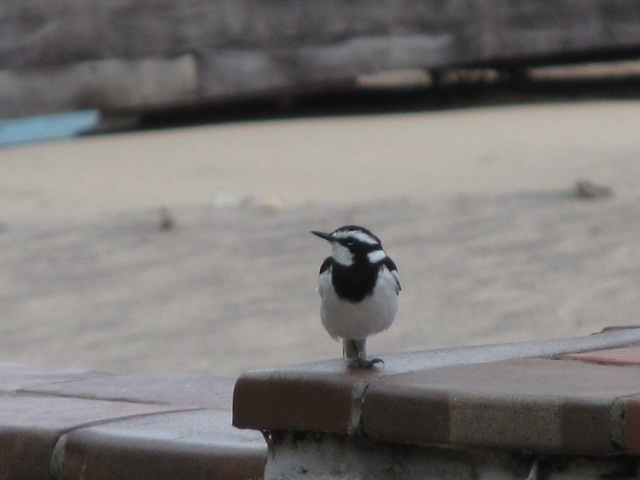
Local Malawi Bird.

African piebald wagtail

World Prematurity Day

This really is a thing, and observed on November 17th every year. This past week, there was a conference in Oman to study the issue. Malawi was placed at the ignoble top of the list, experiencing 18 preterm births per hundred, more than any other country studied. Malawi is also among the most deadly when it comes to infant and maternal mortality. PWS&D has been working in Malawi with maternal and child health, addressing the lack of health care for many mothers and children there. Nora and I have participated in Ride for Refuge fundraising for this work in Malawi and Afghanistan. We missed participating in 2019 because of our preparations for going to Malawi (excuse!), but even without us, they raised $15,000. And, PWS&D is submitting a new proposal to the government to continue and expand. Your prayers for success with the government are appreciated.

My source is a Maravi Express news article. Malawi’s Dr. Grace Chiudzu, a specialist in Obstetrics and Gynecology, is quoted listing interventions: “use of steroids before they are born, use of antibiotics before they are born, transfer of risk mother to a center where the baby could be looked after, antibiotics to treat newborn infections, kangaroo baby care which is a natural system [where] the baby is carried by the mother with skin-to-skin contact and frequent breastfeeding”. All of this sounds hard to implement for little Malawi, where health care professionals are in very short supply.

On a personal note, I have a new great nephew this month, who was born early and he’s receiving excellent health care in Vancouver, overseen by his doting parents. He and his mother are doing fine.

We’re counting down the days to our departure. In five and a half days we’ll be boarding the plane. In seven days we’ll be there. We’ve spent a lot of time here in Toronto as guests of the church. I’ve heard of mission staff (at other churches and in an earlier era) needing to spend months at home soliciting funds for their overseas work. The Presbyterian Church doesn’t require us to do that, but they do need continued support from us to pay for staff like us. If you’d like to support us in our efforts, you can give to “Presbyterians Sharing” at your local Presbyterian Church, or on line, using the link below. Thanks so much for caring.

Protests

I read some of the online newspapers from Malawi to see what is happening there. I am keen to go, as you can imagine and this gives me a window to peer through to heighten my expectations. Nine more days…

Last week, a girls’ secondary school about 2 hours north of Blantyre, was closed because of protests from the students. The details are sketchy, but the young women were upset with the food (nsima, beans, relish — the local standard meal) and trashed the place. Many Malawians and even Africans in general exist on one meal a day, so this school-supplied meal was probably pretty important to the young women. A couple of years ago, I saw some primary school kids eating a meal at a school in Malawi.

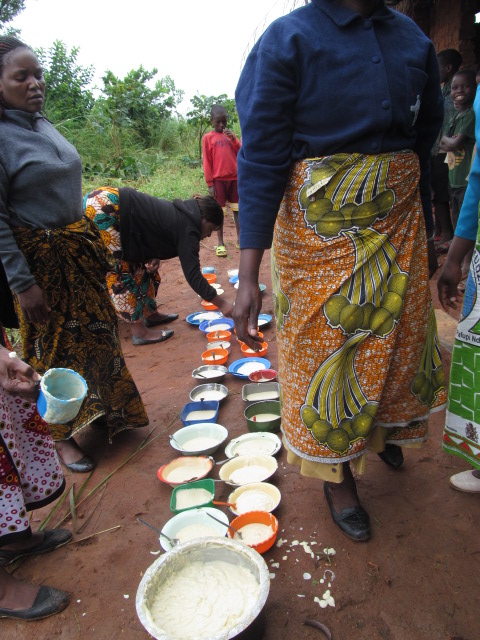
Getting a meal ready for primary students in Malawi

This meal that I witnessed was some kind of porridge, as you can see from the picture. Nsima as I know it is more the consistency of a muffin, but with far less flavour. It wasn’t reported what was wrong with the food at the secondary school: perhaps poor quality or quantity. It might have been like this gruel at the primary school. The secondary school students were sent home and will need to find sustenance elsewhere until the school reopens.

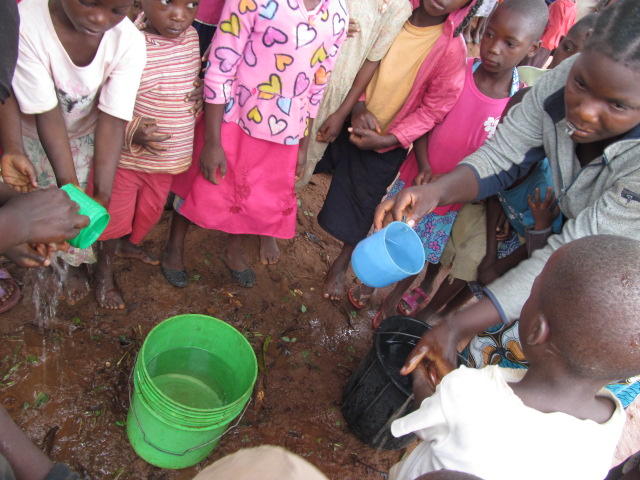
Update: There was a followup news article saying the students were also complaining about unsanitary conditions and under-staffing. Some of their classes were cancelled because there weren’t teachers available. Or busy watching TV, according to the news article. At the more-rural primary school I mentioned, it didn’t look very clean, but the students’ hands were washed before they ate.

Primary school students washing hands before lunch.

The Presbyterian Church works to educate children through PWS&D. You can donate to this work..

In earlier education news, in the capital city of Lilongwe, an Anglican church-run school decided that their female Muslim students would not be allowed to wear their traditional head-covering. Christians represent a large majority in Malawi, so people of other faiths naturally feel oppression keenly. The government recently made a policy that allows girls to cover their heads in school. Ensuing riots against the church’s school damaged buildings owned by both Christians and Muslims. I guess it’s not just Canada where we can’t get along over this issue.

A week later, and Muslims in Malawi called for peace and love. https://mwnation.com/muslims-urged-to-uphold-peace-love/

These are relatively minor compared to the political protests after the election in May. It’s reminiscent of Nora’s and my experience in Bangladesh after their elections in the 90s. The losing party typically refused to cooperate in any way and seemed to call for general strikes every week until the next election was called. The other party would win and the roles were reversed. The national pass time was protesting the protesting the protesting of protests. Malawi seems to be moving toward the Bangladesh model.

Design a site like this with WordPress.com
Get started